Not Everything Green is Good: A Croft Lesson in Care
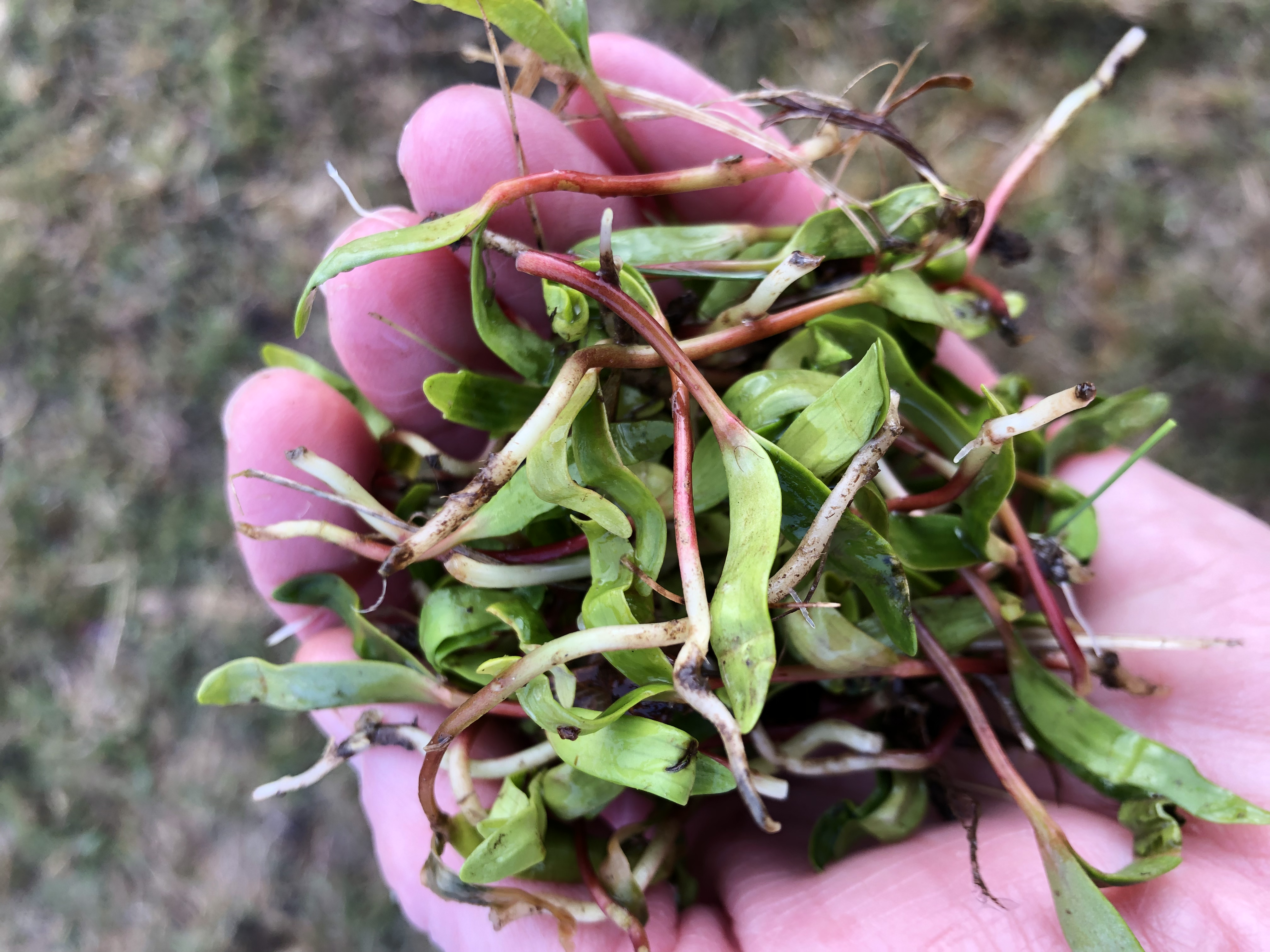
Every day just now, when I’m out walking the dogs through the fields, I slow down, scanning the ground, and bending to pick up tiny green shoots.
They’re easy to miss if you’re not looking for them. Small, bright, almost innocent. But these little sycamore seedlings carry a hidden danger—one that’s taught me an important lesson about working with plants from the land.
On the croft, I gather many of the botanicals I use in my soaps and skincare. There’s something deeply satisfying about working with plants you’ve grown or foraged yourself—watching the seasons shift, learning what appears when, and building a connection to the land.
But not everything that grows is good.
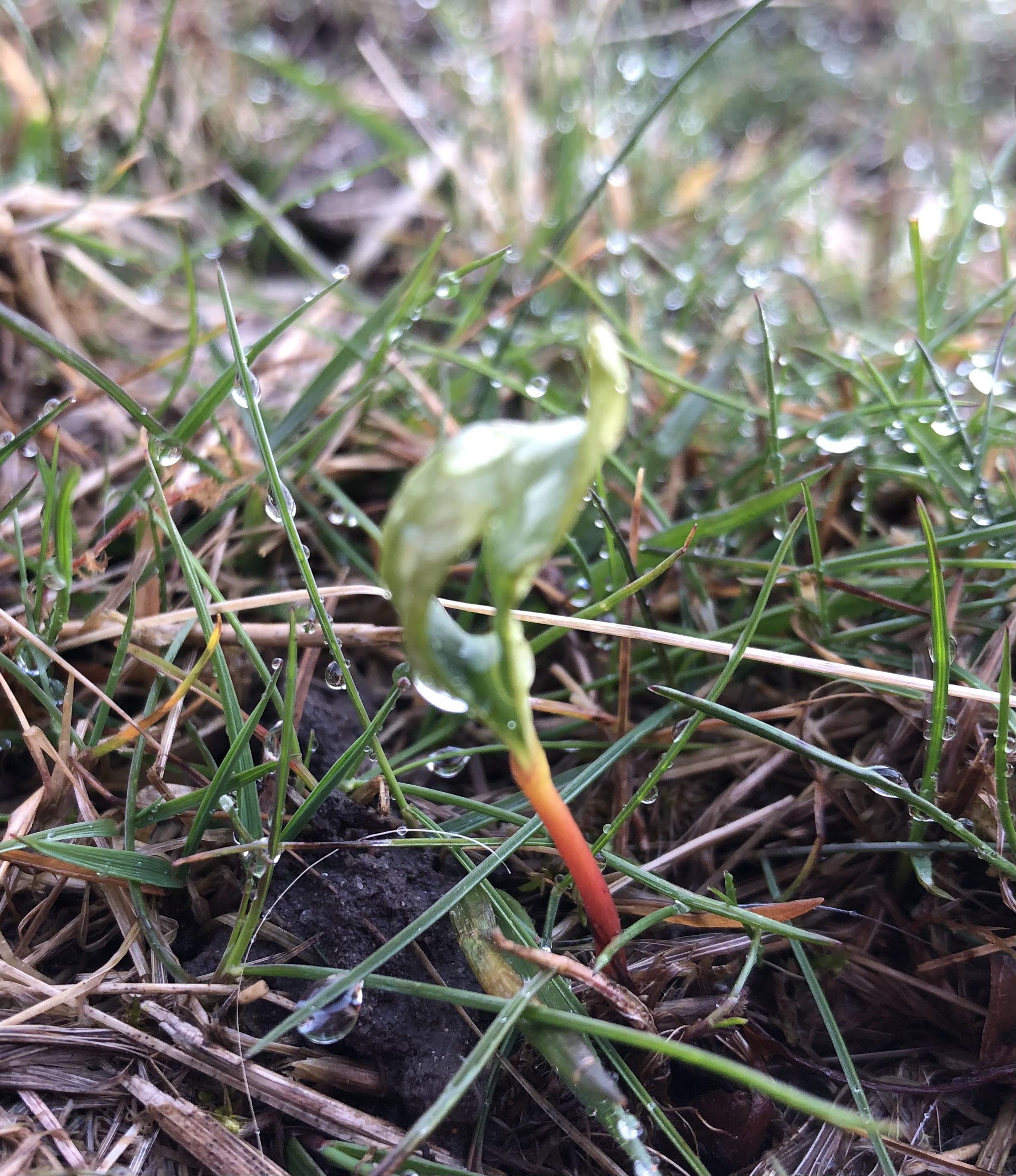
The seedlings I’ve been pulling are from the Sycamore tree (Acer pseudoplatanus). In autumn, their seeds fall—the familiar little “helicopters” that spin as they drift through the air, travelling surprisingly far from the parent tree. By spring, they appear across the fields, sometimes where you’d least expect them.
Both the seeds and the young seedlings contain a toxin called Hypoglycin A.
And this is why I’m out there, every day, lifting them from the grass.
If horses or ponies ingest these seeds or seedlings, they can develop Atypical Myopathy—a severe and often fatal condition that damages the muscles. It can come on quickly, and despite veterinary care, many cases do not survive. Anyone who has seen a horse die of this condition will know why I am so vigilant, I have witnessed it once, and never wish to again.
That’s the reality behind these small green plants.
So what looks like a quiet walk with the dogs has become something more—a routine of checking, spotting, and removing risk before it becomes something far worse. It’s slow, repetitive work, but it’s done with purpose.
At the moment, the horses aren’t grazing in that field, and that’s deliberate. But clearing the seedlings now helps make it safer for when they do return.
It also serves as a reminder—especially for those of us who work with botanicals—that “natural” doesn’t always mean safe. The land offers a huge amount, but it also demands knowledge and respect. Some plants nourish, soothe, and heal. Others, even when they look just as fresh and green, can do real harm.
That’s why it’s so important to know what you’re looking at, whether you’re grazing animals, foraging, or crafting with what grows around you.
At this time of year, that means checking fields carefully in spring for emerging seedlings—and just as importantly, in autumn for the fallen sycamore seeds themselves. Those spinning “helicopters” can spread widely, and they carry the same toxic risk.
It’s all part of croft life—working with the land, but also protecting what depends on it.
And so I’ll keep walking, dogs at my side, eyes on the ground as much as the horizon—because all my horses are extremely precious to me, and worth protecting.